Dumpster Weight Limits & Overage Charges in Odessa, Explained
Here’s the straight answer: every roll-off dumpster comes with a weight limit included in the — usually measured in tons — and if your load goes over, you pay for the extra weight by the ton. In Odessa that matters more than most places, because so much of what the provider hauls is heavy: caliche, concrete, wet roofing shingles, and dirt that soaks up a rare rain.
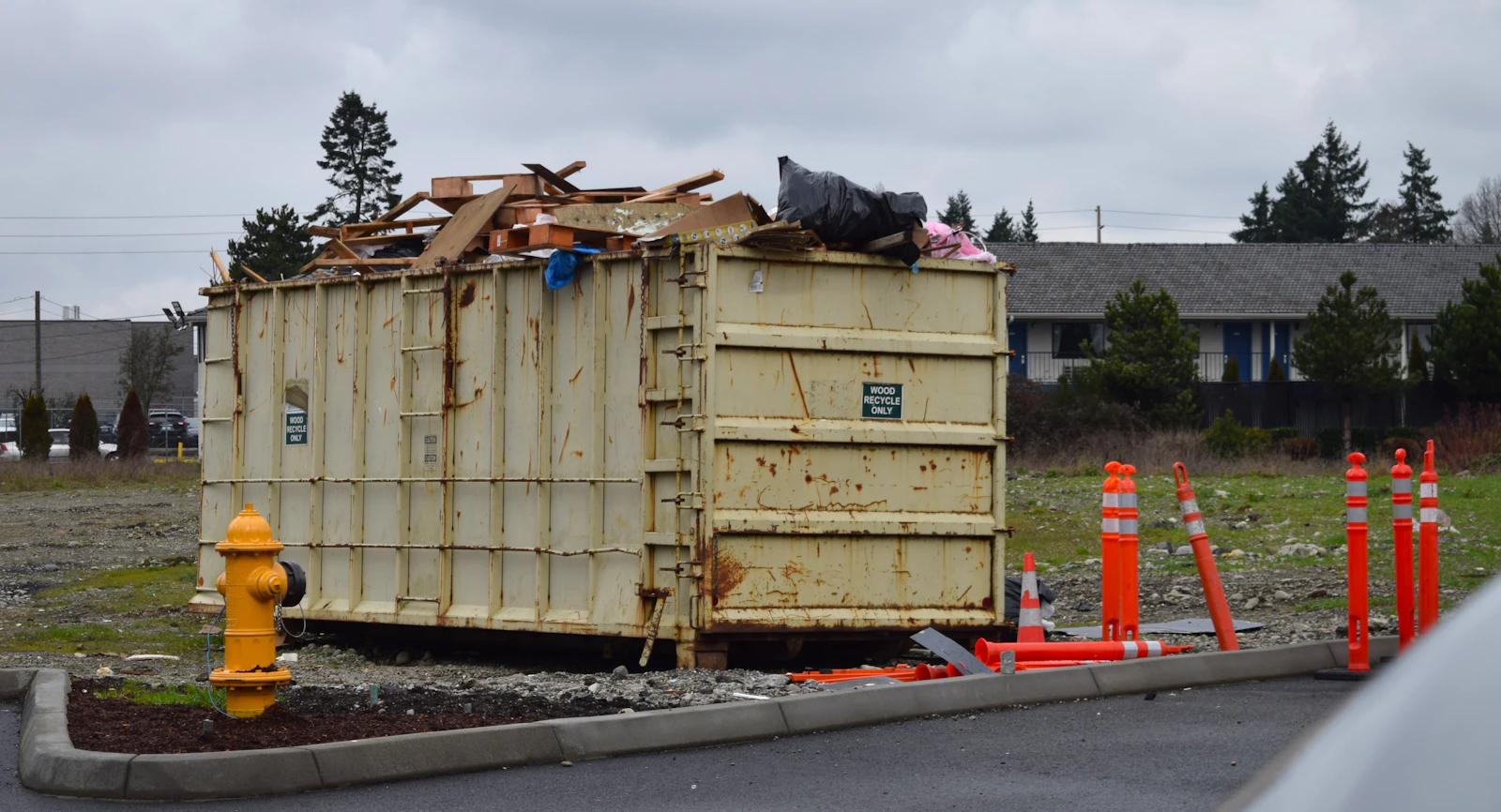
Local providers typically include a fair tonnage allowance in the rate, and they can tell you up front what your limit is. This guide explains how it works so you never get surprised on the back end.
How dumpster weight limits work
When you rent a box, the price covers the haul plus a set amount of weight at the landfill. Go under it, you pay nothing extra. Go over, and the landfill charges me by the ton, so that overage passes through to you — at cost, no markup games. A typical allowance looks like this:
| Dumpster size | Typical weight allowance | Best for |
|---|---|---|
| 10 yard | ~2 tons (4,000 lbs) | Heavy debris — concrete, dirt, shingles |
| 15 yard | ~2.5 tons | Small remodels, mixed heavy loads |
| 20 yard | ~3 tons | Roofing, flooring, medium cleanouts |
| 30 yard | ~4 tons | Whole-home cleanouts, construction |
| 40 yard | ~5 tons | Big bulky-but-light jobs |
Notice the small boxes carry heavy weight and the big boxes are for volume, not weight. That’s the part people get backwards.
Why is the 10-yard box the one for heavy stuff?
Because weight is the limiter, not space. A 30-yard box full of concrete would be far too heavy to legally haul down the road — the truck axle and Texas road limits won’t allow it. So for dense material like Odessa caliche, broken concrete driveways, or dirt, you want a small box you can fill partway. Load a big box with concrete and you’ve just built something nobody can pick up.
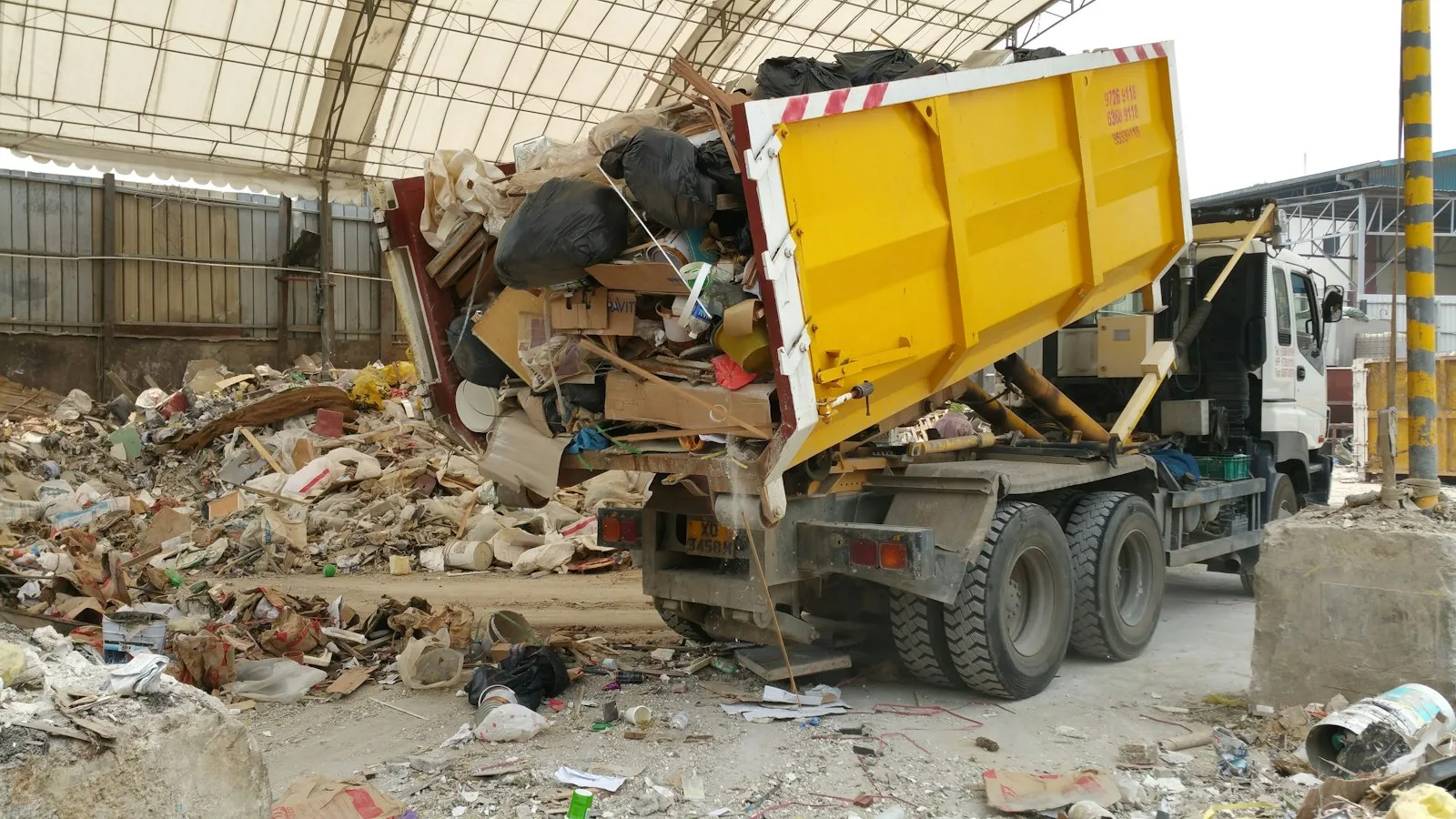
What causes overage charges?
- Dense material in a big box — the number one cause
- Wet debris — soaked shingles, rained-on drywall, and damp dirt weigh far more
- Mixing heavy fill with light junk — put concrete in with your furniture and the tonnage sneaks up
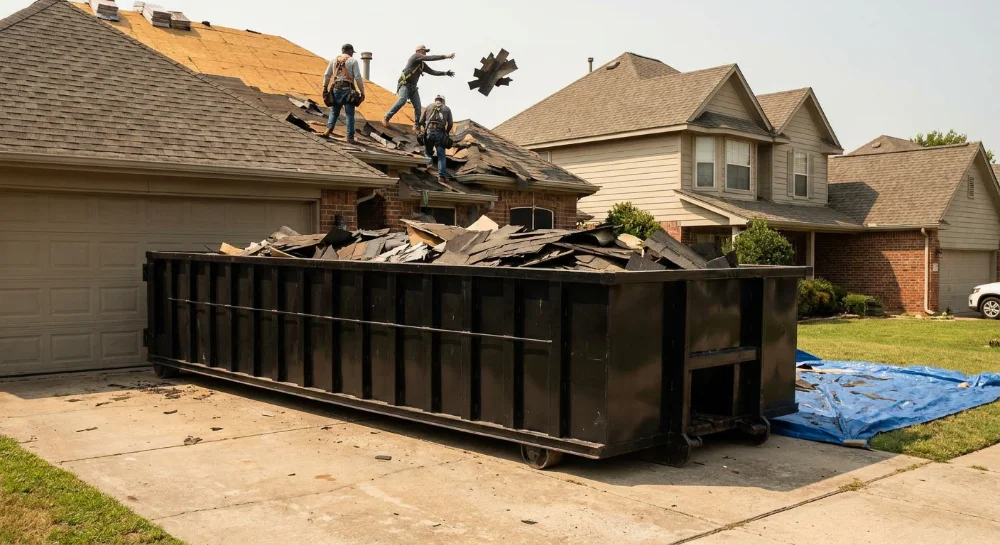
- Underestimating a roofing tear-off — a square of asphalt shingles is heavier than people think
How much is the overage fee?
It’s charged per ton over your allowance, at the landfill’s going rate. The provider shows it to you before you book, so there’s no mystery. The easiest way to avoid it entirely is to size the box for the material — which is exactly what I help with when you request a quote.
Odessa-specific weight traps
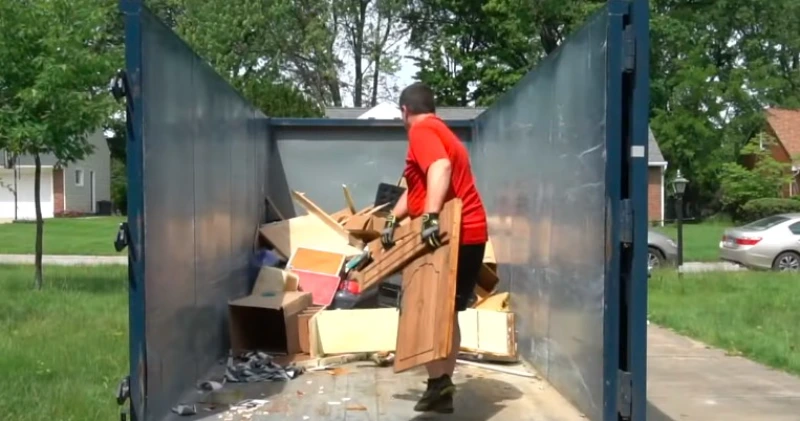
Out here two things catch people: caliche and oilfield soil. Caliche is that hard-packed white rock-clay under half the driveways in Ector County, and it’s dense. Oilfield location cleanouts often come with dirt, gravel, and base that weigh like concrete. If your job has either, tell the provider — they’ll put you in a heavy-material box so you’re never fighting an overage. See our oilfield dumpster guide for those jobs.
How to stay under your limit
Keep heavy clean fill in its own box. Don’t let debris sit uncovered before a storm. And when you’re not sure, go one size smaller but heavier-rated for dense loads rather than a big light box. Still unsure? Tell the provider what you’re tossing and they’ll match the box to the weight — that’s the whole point of getting the right size. Check our a local provider for what each size runs.
Frequently Asked Questions
What happens if I go over the weight limit?
You pay for the extra tonnage at the landfill’s per-ton rate — passed through at cost. I weigh the load at the scale and show you the ticket, so it’s transparent.
How do I know how much my debris weighs?
You usually don’t exactly, and that’s fine — tell the provider the material type (roofing, concrete, household junk, dirt) and they’ll quote a box with enough allowance. Material type predicts weight better than guessing pounds.
Can I fill a 30-yard dumpster with concrete?
No — it would be too heavy to legally haul. Concrete, brick, dirt, and caliche go in a 10-yard heavy-material box filled partway. Ask for the heavy box when you book with a provider with a provider.
Does wet debris really weigh that much more?
Yes. Rain on shingles, drywall, or dirt can add hundreds of pounds fast. If a storm’s coming, load and cover, or let me pull it before it soaks.
Ready to book your dumpster in Odessa?
tell the provider what you are clearing out and they’ll match you to the right roll-off.